Rosemary Tea Recipe and Benefits
Few herbs are as fragrant, versatile, and beloved as Rosemary. Known for its pine-like aroma and earthy flavor, rosemary has been used for centuries in cooking, herbal remedies, and wellness traditions around the world. One of the easiest and most comforting ways to enjoy this herb is by making rosemary tea. Warm, soothing, and refreshing, rosemary tea is often enjoyed to help with relaxation, digestion, and overall wellness.
The image mentions drinking rosemary tea for 15 days, suggesting it may help relieve discomfort or improve health. While rosemary tea can be part of a healthy lifestyle, it is important to remember that no herbal tea is a miracle cure. Rosemary may support wellness, but it should not replace medical advice or treatment for serious conditions.
Here is a complete 1000-word guide to preparing rosemary tea, its possible benefits, variations, and tips for enjoying it safely.
What Is Rosemary Tea?
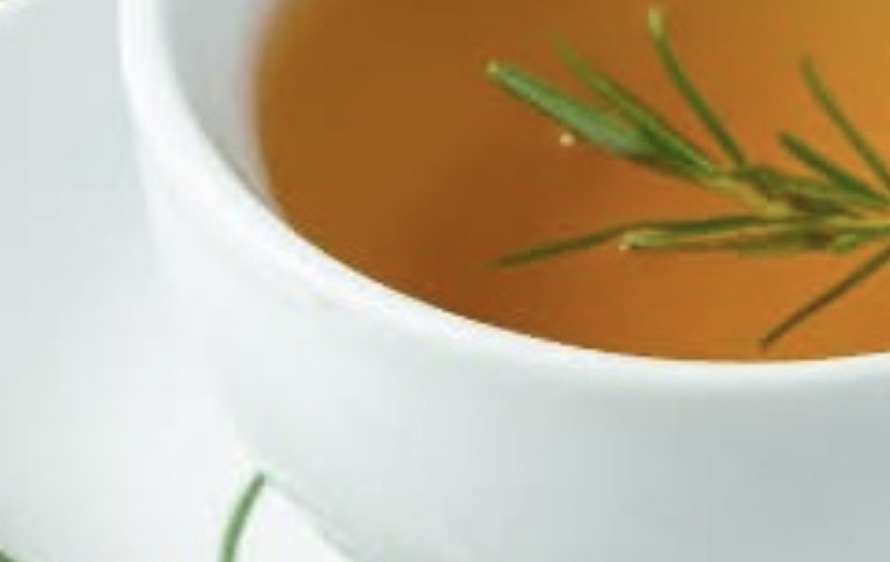
Rosemary tea is a simple herbal infusion made by steeping fresh or dried rosemary leaves in hot water. The herb contains natural compounds such as antioxidants and aromatic oils that give the tea its distinct taste and aroma.
The tea has a slightly woody, minty, and citrus-like flavor. Some people enjoy it plain, while others add lemon, honey, cinnamon, or ginger for extra taste and benefits.
Ingredients
To make a basic cup of rosemary tea, you only need a few ingredients:
- 1 tablespoon fresh rosemary leaves
or - 1 teaspoon dried rosemary
- 2 cups water
- Honey or lemon (optional)
Equipment Needed
- Small pot or kettle
- Tea strainer
- Mug or teapot
Step-by-Step Rosemary Tea Recipe
Step 1: Prepare the Rosemary
If using fresh rosemary, rinse it gently under cool water to remove dirt or dust. Pat dry with a clean towel.
You can lightly crush the leaves with your fingers to release more aroma and natural oils.
Step 2: Boil the Water
Pour 2 cups of water into a small pot or kettle and bring it to a boil.
Fresh, filtered water usually gives the tea the cleanest taste.
Step 3: Add the Rosemary
Once the water reaches a boil, remove it from heat.
Add the fresh or dried rosemary leaves to the hot water.
Step 4: Steep the Tea
Cover the pot or mug and let the rosemary steep for about 5–10 minutes.
- For a lighter flavor: steep 5 minutes
- For stronger tea: steep 10 minutes
The longer it steeps, the stronger and more herbal the flavor becomes.
Step 5: Strain and Serve
Strain the tea into a cup to remove the rosemary leaves.
You can drink it plain or add:
- Honey for sweetness
- Lemon for brightness
- Ginger for warmth
- Cinnamon for spice
Serve warm and enjoy.
Flavor Profile
Rosemary tea has a refreshing and earthy taste. Many people describe it as:
- Pine-like
- Herbal
- Slightly minty
- Mildly bitter
- Fresh and aromatic
Adding lemon or honey can soften the stronger herbal notes.
Possible Benefits of Rosemary Tea
Rosemary tea has long been used in traditional wellness practices. While scientific studies continue to explore its effects, many people drink it for the following reasons:
1. Relaxation and Stress Relief
The aroma of rosemary is often associated with calmness and mental clarity. A warm cup of rosemary tea may help create a relaxing moment during a busy day.
2. Digestive Comfort
Some people drink rosemary tea after meals because herbal teas may help support digestion and reduce feelings of heaviness.
3. Antioxidant Support
Rosemary contains antioxidants, which help protect the body’s cells from oxidative stress.
A healthy diet rich in antioxidant-containing foods and herbs may support overall wellness.
4. Refreshing Hydration
Herbal teas are a flavorful way to stay hydrated without caffeine.
Rosemary tea can be especially comforting during cool weather or in the evening.
5. Traditional Wellness Uses
Historically, rosemary has been associated with memory, focus, and circulation in many herbal traditions.
However, these traditional uses should not be considered guaranteed medical treatments.
Rosemary Tea Variations
Rosemary Lemon Tea
Add:
- 1 slice lemon
- 1 teaspoon honey
This version is bright, refreshing, and excellent during colder months.
Rosemary Ginger Tea
Add:
- Fresh ginger slices
Ginger pairs beautifully with rosemary and creates a warming herbal drink.
Rosemary Mint Tea
Combine rosemary with fresh mint leaves for a cooler, more refreshing flavor.
Cinnamon Rosemary Tea
Add a cinnamon stick while steeping for a cozy and aromatic version.
Tips for the Best Rosemary Tea
Use Fresh Rosemary
Fresh rosemary provides the brightest flavor and aroma.
If using dried rosemary, use less because dried herbs are more concentrated.
Don’t Over-Steep
Steeping too long can make the tea overly bitter.
Start with 5 minutes and adjust to your taste.
Sweeten Naturally
Honey complements rosemary beautifully without overpowering it.
Drink in Moderation
Like all herbal teas, rosemary tea is best enjoyed in moderation.
Too much may cause stomach discomfort for some people.
Storage Tips
If you make extra rosemary tea:
- Store it in the refrigerator
- Use within 2 days
- Reheat gently before drinking
You can also enjoy it cold over ice for a refreshing herbal drink.
Can You Drink Rosemary Tea Daily?
Many people enjoy rosemary tea regularly as part of a balanced diet.
However:
- Pregnant individuals should consult a healthcare professional before consuming large amounts of rosemary.
- People taking medications or managing medical conditions should ask a doctor if herbal teas are appropriate for them.
Herbal remedies can interact with some medications.
Serving Suggestions
Rosemary tea pairs well with:
- Toast and honey
- Light pastries
- Fruit salads
- Mediterranean dishes
- Biscuits and cookies
It also works wonderfully as an evening relaxation drink.
Final Thoughts
Rosemary tea is simple, aromatic, and comforting. With just rosemary and hot water, you can create a soothing herbal beverage that has been appreciated for generations.
Whether you enjoy it for its refreshing taste, calming ritual, or traditional wellness associations, rosemary tea is an easy addition to your daily routine. The recipe is flexible, beginner-friendly, and can be customized with lemon, ginger, honey, or cinnamon to match your preferences.
While rosemary tea may support general wellness, it is not a cure for serious illnesses. Enjoy it as part of a healthy lifestyle, balanced nutrition, and proper medical care when needed.