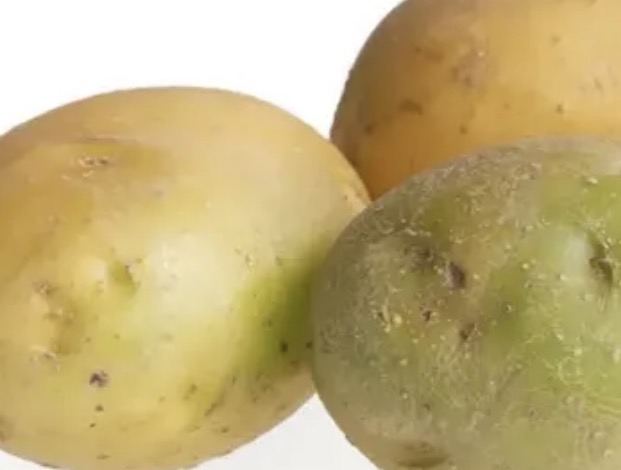
It happens to almost everyone. You’re preparing dinner, gathering ingredients for mashed potatoes, roasted potatoes, or a comforting family meal when you notice something unusual. One of your potatoes has developed green patches on its skin.
Your first thought is usually the same: Is this potato still safe to eat?
The answer isn’t as simple as yes or no.
While green potatoes don’t automatically belong in the trash, those green spots are a warning sign that something has changed inside the potato. Understanding why potatoes turn green and what it means for your health can help you make safer choices in the kitchen.
Before you peel, cook, or toss that potato, here’s everything you need to know.
Why Do Potatoes Turn Green?
Potatoes naturally grow underground, protected from sunlight. However, when they are exposed to light for extended periods during storage, they begin producing chlorophyll.
Chlorophyll is the natural green pigment found in plants. It helps plants capture sunlight and perform photosynthesis.
The green color itself isn’t harmful. In fact, chlorophyll is found in many healthy vegetables and leafy greens.
The problem is that when potatoes produce chlorophyll, they often produce another compound at the same time: solanine.
This is where the real concern begins.
What Is Solanine?
Solanine is a naturally occurring chemical that potatoes create as a defense mechanism against insects, animals, fungi, and environmental stress.
When potatoes are exposed to too much sunlight, physical damage, or improper storage conditions, solanine levels can increase.
Unlike chlorophyll, solanine can be harmful when consumed in large amounts.
High levels of solanine may cause:
- Nausea
- Stomach cramps
- Vomiting
- Diarrhea
- Headaches
- Digestive discomfort
- A bitter or unpleasant taste
The greener the potato becomes, the greater the possibility that solanine levels have increased.
Can You Eat Potatoes With Green Spots?
In many cases, yes—but with caution.
If the green area is small and limited to the skin, you can often remove the green portions with a knife or vegetable peeler and safely use the remaining potato.
Be sure to:
- Cut away all green areas
- Remove any sprouts
- Discard portions that taste bitter
- Avoid eating heavily green potatoes
However, if large sections of the potato are green or the entire potato has developed a green tint, it’s generally safer to throw it away.
The risk of elevated solanine levels increases as greening becomes more widespread.
How Much Green Is Too Much?
A few small green patches can usually be trimmed away.
But consider discarding the potato if:
- Most of the surface is green
- The potato tastes bitter
- It has multiple sprouts
- The flesh underneath appears green
- It feels soft, shriveled, or damaged
When in doubt, food safety experts recommend erring on the side of caution.
Potatoes are inexpensive compared to the potential discomfort caused by consuming excessive solanine.
Why Green Potatoes Taste Bitter
Have you ever bitten into a potato and noticed an unusually bitter flavor?
That bitterness is often one of the first signs of elevated solanine.
Many people naturally stop eating bitter potatoes because the unpleasant taste acts as a built-in warning system.
If a potato tastes noticeably bitter, it’s best not to continue eating it.
How to Prevent Potatoes From Turning Green
Proper storage is the easiest way to prevent greening.
Store Potatoes in a Cool, Dark Place
Potatoes should be kept away from direct sunlight and bright indoor lighting.
Good storage locations include:
- Pantry shelves
- Kitchen cabinets
- Cellars
- Cool storage rooms
Avoid Clear Containers
Transparent bags and containers allow light exposure, which can encourage greening.
Choose paper bags, baskets, or opaque containers instead.
Keep Potatoes Dry
Excess moisture can encourage spoilage and sprouting.
Store potatoes in a dry area with good airflow.
Avoid Refrigeration
Cold temperatures can alter the potato’s starch content and affect flavor and texture.
Room-temperature storage in a cool, dark location is usually best.
Are Green Potatoes More Dangerous for Children?
Children may be more sensitive to food toxins because of their smaller body size.
For this reason, it’s especially important to avoid serving heavily green potatoes to young children.
If you’re preparing food for kids, use potatoes that appear fresh, firm, and free from green discoloration.
The green color comes from chlorophyll, which is harmless. The concern is that chlorophyll often develops alongside increased solanine.
Myth #2: Cooking Removes Solanine
Unfortunately, normal cooking temperatures do not completely destroy solanine.
Baking, boiling, frying, or roasting may not eliminate high levels.
Myth #3: All Green Potatoes Are Dangerous
A potato with a tiny green patch isn’t necessarily unsafe. Often, removing the affected area is enough.
The level of risk depends on how much greening has occurred.
Frequently Asked Questions
Are green potatoes poisonous?
Not necessarily, but they may contain elevated levels of solanine, which can cause digestive symptoms if consumed in large amounts.
Can I cut off the green part and still eat the potato?
Yes. If the green area is small, remove it completely before cooking.
What happens if I accidentally eat a green potato?
Most people experience no serious problems from small amounts. However, heavily green potatoes can cause digestive discomfort and other symptoms.
Does peeling remove the risk?
Peeling helps because solanine is concentrated near the skin, but heavily green potatoes may still contain elevated levels beneath the surface.
How should potatoes be stored?
Store them in a cool, dry, dark place away from sunlight and bright indoor lighting.
Final Thoughts
Green potatoes are nature’s way of signaling that they’ve had too much exposure to light. While the green color itself isn’t harmful, it can indicate the presence of increased solanine, a natural compound that may cause digestive issues.
The good news is that small green spots can often be removed safely. However, heavily green potatoes are usually best discarded.
A simple habit of storing potatoes in a cool, dark place can prevent greening and help keep your favorite side dish safe, fresh, and delicious.
The next time you spot a green potato in your kitchen, you’ll know exactly what to do—and why.