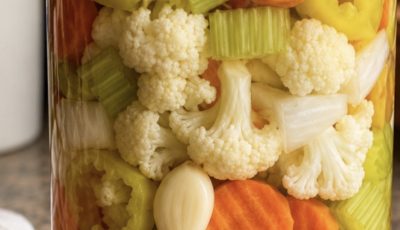
You notice your urine looks slightly foamy… your energy feels lower than usual… but it’s easy to brush it off as “just getting older.”Then one day, you hear someone say their kidney problem appeared “out of nowhere.”That quiet concern? It’s valid.The truth is: small daily habits can gradually affect kidney function. But the good news is—simple, consistent choices, especially in your diet, can help support your kidneys over time.Let’s explore what actually works (without exaggeration).💡 Why Creatinine and GFR Matter More Than You ThinkWhen it comes to kidney health, two important markers often come up:Creatinine: a natural waste product your kidneys filter outGFR (Glomerular Filtration Rate): shows how efficiently your kidneys are filtering bloodIt’s normal for GFR to decline slightly with age. However, factors like poor diet, dehydration, and excess sodium may place additional strain on the kidneys.👉 Here’s the key point:A balanced diet rich in whole foods, antioxidants, and anti-inflammatory compounds may help support overall kidney function.And vegetables? They’re some of your best allies.🥬 1. Parsley – A Simple Herb with Surprising BenefitsParsley is often overlooked as just a garnish—but it offers more than flavor.Why it may help:Rich in antioxidants (flavonoids)Contains vitamins C and KTraditionally used to support urinary health👉 While not a cure, adding parsley regularly may help support your body’s natural balance.Easy ways to use:Blend into smoothiesSprinkle over soups or saladsAdd to warm herbal drinks🌶️ 2. Red Bell Peppers – Low Potassium, High ProtectionIf you’re mindful of potassium intake, red bell peppers are a smart option.What makes them stand out:High in vitamin CRich in antioxidantsContains lycopene, linked to reduced oxidative stress👉 Oxidative stress is one factor that may contribute to long-term kidney strain.Adding colorful vegetables like this can support overall health in a gentle way.🥬 3. Cabbage – Affordable, Gentle, and EffectiveCabbage may seem basic—but that’s exactly its strength.Benefits include:High in fiber (supports digestion and waste removal)Contains plant compounds that may help reduce inflammationNaturally lower in potassium than many vegetables👉 Replacing processed foods with simple whole foods like cabbage can make a meaningful difference over time.🧄 4. Garlic – Small Ingredient, Big SupportGarlic has been used traditionally for both flavor and wellness.Why it matters:Contains allicin, known for protective propertiesMay support heart health and blood pressure balanceAdds flavor without extra sodium👉 Lowering sodium intake is one of the easiest ways to reduce kidney strain.🥦 5. Cauliflower – A Smart Whole-Food SwapCauliflower is versatile and often used to replace processed or refined foods.Key advantages:High in fiber and vitamin CContains compounds that support natural detox pathwaysLow in sodium, moderate in potassium👉 Many people notice better digestion and energy when they shift toward whole foods like this.📊 Quick ComparisonVegetable Key Benefit Why It MattersParsley Antioxidants Supports natural balanceRed Bell Pepper Low potassium Helps maintain safe intakeCabbage Fiber-rich Aids digestion & waste removalGarlic Anti-inflammatory Supports heart & kidney connectionCauliflower Whole food substitute Reduces processed food intake🥗 A Simple Daily Routine for Kidney SupportYou don’t need complicated diets—just consistent habits.MorningDrink a glass of waterAdd greens like parsley to your mealLunchInclude cabbage or bell peppersDinnerUse garlic instead of excess saltSwap refined carbs for cauliflower occasionallyThroughout the dayStay hydratedLimit processed foods and excess sodium👉 Consistency matters more than perfection.⚠️ Common Habits That May Strain Your KidneysLet’s keep it real—these everyday habits can add up:Not drinking enough waterEating too much processed, salty foodIgnoring early body signalsOverusing supplements without guidanceThe good news? These are all adjustable.🌿 Final ThoughtsSupporting your kidneys doesn’t require extreme changes.It comes down to simple, daily choices:Eating more whole foodsStaying hydratedReducing processed ingredientsAnd that “surprising secret”?👉 It’s not a miracle vegetable.👉 It’s the habit of consistency.❓ FAQ1. Can vegetables lower creatinine levels?Not directly. However, a balanced diet rich in whole foods may help support overall kidney function.2. How often should I eat these vegetables?Aim to include a variety daily or several times per week.3. Is this suitable for everyone?Most people can benefit, but those with kidney conditions should consult a healthcare professional.⚠️ DisclaimerThis article is for informational purposes only and does not replace professional medical advice. Always consult a qualified healthcare provider before making dietary or health changes.
Top 5 Vegetables to Support Kidney Health & Maintain Healthy