Here’s the truth, offered with kindness and clarity: yes, your body will adjust after gallbladder removal—and for most people, that adjustment happens smoothly and quietly. The gallbladder isn’t essential for survival. Your liver still makes bile, your intestines still absorb nutrients, and life goes on. But the way your digestive system handles fat does change, and understanding those shifts can help you move forward with confidence, not fear.
This isn’t about alarming you. It’s about empowering you with practical, evidence-based knowledge so you can nourish your body, recognize what’s normal, and know when to reach out for support. Let’s walk through what changes to expect, how to support your digestion, and when to seek help—with compassion every step of the way.
Cultural Context
Gallbladder removal (cholecystectomy) is one of the most common surgeries worldwide, yet conversations about life afterward have historically been brief or overlooked. In earlier decades, patients were often told simply to “eat less fat” and move on. Today, a more holistic, patient-centered approach is emerging—one that honors the emotional and physical journey of recovery, validates individual experiences, and integrates nutrition science with compassionate care. This shift reflects a broader cultural movement toward informed, empowered healing: not just surviving surgery, but thriving afterward.
Why This Matters
Peace of mind through understanding: Knowing what’s normal reduces anxiety during recovery.
Practical empowerment: Simple dietary and lifestyle adjustments can dramatically improve comfort.
Early recognition of concerns: Distinguishing typical adjustments from warning signs helps you seek timely care.
Long-term wellness: Supporting your digestion after surgery sets the foundation for sustained health.
https://syndicatedsearch.goog/afs/ads?sjk=M6KOG8PaQVKPgiwpYfwxrw%3D%3D&psid=5134551505&channel=AutoRsVariant&cx=r-2db12d122af6756f2&fexp=95390668%2C21404%2C17301437%2C17301438%2C17301442%2C17301266%2C72717108%2C17301545&client=pub-1401487873040683&r=m&hl=en&rpbu=http%3A%2F%2Fgoogle.com&rpqp=q&type=3&rs_tt=c&oe=UTF-8&ie=UTF-8&format=r5&nocache=3151779592493249&num=0&output=afd_ads&domain_name=bac-exam.blogspot.com&v=3&bsl=10&pac=0&u_his=1&u_tz=60&dt=1779592493249&u_w=430&u_h=932&biw=430&bih=839&psw=430&psh=4982&frm=0&uio=-&cont=autors-container-0&drt=0&jsid=csa&jsv=913690580&rurl=https%3A%2F%2Fbac-exam.blogspot.com%2F2026%2F05%2Fwhat-happens-to-body-after-gallbladder.html%3Ffbclid%3DIwZXh0bgNhZW0CMTEAc3J0YwZhcHBfaWQKNjYyODU2ODM3OQABHvUIDT1eGbFmAbNIM0Xan3gLT-HqUUm2LLIieH3cbiVBQkLxuIbkloWEqWEV_aem_ueQ84Lsaz51pmHgMkjGemg%26m%3D1&referer=https%3A%2F%2Ffacebook.com%2F
Compassion over criticism: Your body isn’t broken—it’s adapting. Responding with curiosity fosters healing.
What the Gallbladder Actually Does (And Why Removing It Changes Things)
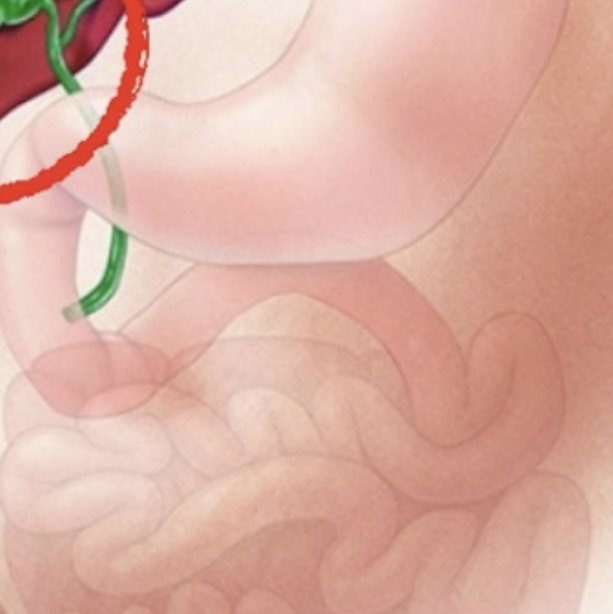
Before we explore post-surgery changes, let’s clarify the gallbladder’s role. This small, pear-shaped organ stores bile—a digestive fluid produced by your liver that helps break down dietary fats. When you eat something fatty, your gallbladder contracts and releases concentrated bile into your small intestine to aid digestion.
After removal, your liver continues producing bile—but instead of being stored and released on demand, it now drips continuously into your intestines. This subtle shift is the root of most post-surgery changes—and also the key to managing them well.
Common Body Changes After Gallbladder Removal
Common Body Changes After Gallbladder Removal
Digestive Adjustments (The Most Frequent Shift)
Bile flow becomes constant: Without a gallbladder to store and concentrate bile, it flows steadily into your small intestine—whether you’ve eaten or not. This can affect how your body handles fatty meals.
Fat digestion may feel different: Some people notice they tolerate high-fat foods less comfortably after surgery. This isn’t a failure—it’s your body adapting to a new rhythm.
Bowel habits may shift temporarily: Up to 25% of people experience diarrhea after gallbladder removal, often called post-cholecystectomy bile acid malabsorption. For most, this improves within weeks to months as the gut adjusts.
Short-Term Recovery Changes (First Few Weeks)
Mild abdominal discomfort or bloating is common as your body heals
Temporary changes in appetite or food preferences may occur
Fatigue is normal while your body redirects energy to healing
Gas or mild indigestion may happen as your digestive system recalibrates
These are typically temporary and ease with time, gentle movement, and mindful eating.
Longer-Term Adaptations (Months and Beyond)
Most people adapt fully and live without digestive issues. But for some, subtle changes may persist:
Increased sensitivity to very fatty or fried foods
Occasional loose stools, especially after large or rich meals
A need for smaller, more frequent meals to support comfortable digestion
These aren’t “problems”—they’re cues to listen to your body and adjust with kindness.
You Must Know: When Changes Might Signal Something More
While most adjustments are normal, certain symptoms deserve professional attention:
Contact your provider if you experience:
Persistent diarrhea lasting more than 2–3 weeks
Severe or worsening abdominal pain, especially after eating
Yellowing of the skin or eyes (jaundice)
Fever, chills, or signs of infection at the incision site
Unexplained weight loss or loss of appetite
These could indicate complications like retained bile duct stones, sphincter of Oddi dysfunction, or other treatable conditions.
Serving Suggestions: Gentle Ways to Support Your Body After Surgery
You have more power than you think. These simple, evidence-informed steps can ease your transition:
Dietary Adjustments That Help
Start low-fat: For the first few weeks, choose lean proteins, cooked vegetables, and whole grains. Gradually reintroduce healthy fats like avocado, olive oil, or nuts.
Eat smaller, frequent meals: This gives your digestive system a gentler workload than three large meals.
Add soluble fiber slowly: Foods like oats, bananas, and applesauce can help firm stools if diarrhea occurs—but introduce them gradually to avoid gas.
Stay hydrated: Water supports digestion and helps prevent constipation, especially if you’re taking pain medications.
Lifestyle Support
Move gently: Short walks aid digestion and reduce bloating. Avoid heavy lifting for 4–6 weeks as directed by your surgeon.
Track your triggers: Keep a simple food/symptom log for a few weeks. Notice patterns without judgment—this helps you personalize your approach.
Prioritize rest: Healing takes energy. Honor your need for sleep and downtime.
When Supplements Might Help (Talk to Your Provider First)
Probiotics: Some research suggests gallbladder removal alters gut bacteria; probiotics may support balance.
Digestive enzymes: A few people find these helpful for fat digestion, though evidence is limited.
Bile acid binders: For persistent diarrhea, medications like cholestyramine can help—but only use under medical guidance.
Recovery Timeline & What to Expect
Weeks 1–2: Focus on rest, hydration, and gentle, low-fat foods. Expect mild fatigue and digestive sensitivity.
Weeks 3–6: Gradually reintroduce variety. Many people feel significantly better during this window.
Months 2–3: Most digestive adaptation occurs. You’ll likely identify personal tolerance thresholds for fats and fiber.
Beyond 3 months: The majority of people live without noticeable digestive limitations. A small percentage may benefit from ongoing dietary tweaks or medical support.
Note: Everyone’s timeline is unique. Honor your body’s pace without comparison.
Frequently Asked Questions
Q: Will I ever be able to eat fatty foods again?
A: For most people, yes—just in moderation. Your body can still digest fat without a gallbladder; it just does so differently. Start with small amounts of healthy fats and see how you feel.
Q: How long does it take to feel “normal” again?
A: Many people feel significantly better within 2–4 weeks. Full digestive adaptation can take 2–3 months. Everyone’s timeline is different—be patient with your body.
Q: Can gallbladder removal cause long-term health problems?
A: Most people live full, healthy lives without a gallbladder. A small percentage experience ongoing symptoms (post-cholecystectomy syndrome), but these are often manageable with dietary tweaks or medication.
Q: Should I avoid fiber after surgery?
A: Not forever! Fiber supports gut health long-term. But introduce high-fiber foods slowly in the first few weeks to avoid gas or bloating.
Q: Is weight gain common after gallbladder removal?
A: Some people notice weight changes, often due to dietary shifts during recovery or reduced activity while healing. Focus on balanced nutrition and gentle movement—not restriction.
Important Medical Considerations
This article is for informational purposes only and is not a substitute for professional medical advice, diagnosis, or treatment.
Always seek the guidance of your physician or other qualified health provider with any questions you may have regarding post-surgical recovery, digestive changes, or supplement use.
Never disregard professional medical advice or delay seeking care because of something you have read here.
Individual experiences vary: Anatomy, surgical technique, overall health, and lifestyle factors influence recovery. Personalized medical guidance is essential for persistent or concerning symptoms.
Your body is resilient. It has already carried you through surgery, and it’s now quietly adapting to a new way of doing things. Those shifts you notice—the way a creamy soup sits differently, or how your energy ebbs and flows as you heal—are not signs of brokenness. They’re signals of adjustment.
Listen to those signals with curiosity, not criticism. Nourish yourself with foods that feel good. Rest when you need to. And remember: asking for help isn’t weakness—it’s wisdom.
If this article brought you clarity or comfort, I’d love to hear from you. What questions do you still have? What has your own journey been like? Drop a comment below. And if you know someone navigating life after gallbladder surgery, please share this with them.