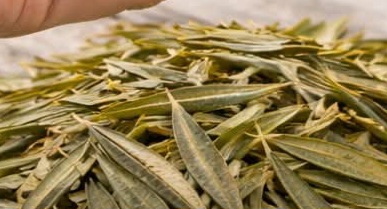
What Is Olive Leaf Extract and Why Is It Gaining Attention?Olive leaf extract comes from the leaves of the olive tree (Olea europaea), the same plant celebrated for its fruit and oil in Mediterranean cuisine. Unlike olive oil, the leaves contain higher concentrations of certain bioactive compounds, particularly a polyphenol called oleuropein.This compound, along with others like hydroxytyrosol, gives the extract its notable antioxidant profile. People have used olive leaves traditionally for centuries in teas and remedies. Today, supplements and dried leaves appear in health discussions as a source of plant-based support for general well-being.Research interest has grown because lab and animal studies suggest these polyphenols may help combat oxidative stress — the imbalance that occurs when free radicals outpace the body’s natural defenses.The Science Behind Olive Leaf’s Bioactive CompoundsHere’s the interesting part: oleuropein stands out in laboratory research for its potential effects.Studies indicate that olive leaf polyphenols show antioxidant activity by helping neutralize free radicals and support the body’s own defense enzymes, such as superoxide dismutase. Some investigations explore how these compounds interact with cellular processes in controlled settings.For example, multiple in vitro studies have examined oleuropein and olive leaf extract on various cell lines. Researchers have observed effects on cell proliferation and oxidative markers in models of different types. Animal studies have also looked at impacts on tumor growth in specific xenograft models, though results vary by dose and condition.Importantly, these findings come mostly from preclinical research. Human clinical trials remain limited, and no large-scale evidence yet confirms broad therapeutic outcomes. Experts emphasize that olive leaf extract is not a replacement for conventional medical care.Key compounds often highlighted in research include:Oleuropein — the primary secoiridoid, known for antioxidant potentialHydroxytyrosol — a powerful phenolic with free radical scavenging propertiesOther flavonoids and triterpenes that may contribute to overall activityThis combination is one reason why olive leaf is sometimes compared to other polyphenol-rich plants in wellness circles.Potential Wellness Benefits Supported by Emerging ResearchWhile sensational claims circulate online, let’s focus on what balanced sources report. Olive leaf extract has been studied for several areas of general health support:Cardiovascular Support Some human studies suggest olive leaf extract may help maintain healthy blood pressure levels and support favorable lipid profiles. A review of trials noted improvements in certain cardiovascular risk markers when used as part of a balanced lifestyle.Antioxidant and Anti-Inflammatory Properties Laboratory work shows strong potential to reduce oxidative stress markers. This aligns with the Mediterranean diet’s reputation for promoting longevity through plant compounds.Immune and General Wellness Traditional use and some preliminary research point to antimicrobial properties in test settings, though real-world immune benefits require more study.Blood Sugar Management Certain investigations indicate possible support for healthy glucose metabolism, but results are not conclusive for all populations.Remember, these observations come from varied study designs. Individual responses differ based on dosage, overall diet, and health status.How to Incorporate Olive Leaf into Your Routine SafelyIf you’re curious about adding olive leaf to your wellness plan, here are practical, actionable tips. Always consult a healthcare professional first, especially if you take medications or have existing conditions.Simple Ways to Use Olive Leaf:Tea Infusion: Steep dried olive leaves in hot water for 5–10 minutes. Start with 1–2 teaspoons per cup.Supplement Form: Look for standardized extracts containing 20–40% oleuropein. Follow label dosages, typically 250–1000 mg daily in divided doses.Tincture or Liquid Extract: A few drops in water, as directed.Step-by-Step Guide for Beginners:Choose a reputable brand with third-party testing for purity.Begin with a low dose to assess tolerance.Track how you feel over 2–4 weeks while maintaining a balanced diet rich in fruits, vegetables, and healthy fats.Combine with lifestyle habits like regular movement, stress management, and adequate sleep for better overall support.Monitor any changes and discuss with your doctor.What to Look for in Quality Products:Clear labeling of oleuropein contentOrganic or sustainably sourced leaves when possibleNo unnecessary fillersComparing Olive Leaf to Other Common Wellness OptionsOption Key Compound Common Use Focus Research StageOlive Leaf Extract Oleuropein Antioxidant, general wellness Preclinical + limited humanGreen Tea EGCG Antioxidant, metabolic support More extensive humanTurmeric Curcumin Anti-inflammatory Growing human evidenceOlive Oil Hydroxytyrosol Heart health Strong Mediterranean diet dataOlive leaf offers a concentrated leaf-based alternative, but it works best as part of a varied plant-rich diet rather than in isolation.Addressing Common Questions About Olive LeafHow much olive leaf extract is typically studied? Doses in research range from 250 mg to higher amounts of standardized extract, but individual needs vary. Start low and seek professional guidance.Can I grow or harvest my own olive leaves? If you have access to untreated olive trees in a suitable climate, yes — but ensure proper identification and drying methods. Commercial products offer more consistent standardization.Is olive leaf safe for daily use? Most studies suggest good tolerability, but potential interactions with blood pressure or blood sugar medications exist. Pregnant or breastfeeding individuals should exercise caution and consult a doctor.The Bigger Picture: Supporting Wellness NaturallyThe Mediterranean region has long inspired health-focused eating patterns, and olive leaves represent one piece of that tradition. While lab research on compounds like oleuropein is promising for antioxidant support, real benefits come from consistent healthy habits rather than any single ingredient.Focus on whole foods, movement, and stress reduction first. Olive leaf extract may serve as an interesting addition for those exploring polyphenol-rich options, but it should complement—not replace—evidence-based medical advice.What stands out most is how traditional plants continue to spark modern scientific curiosity. The potential lies not in quick fixes, but in thoughtful integration into a balanced lifestyle.Disclaimer: This article is for informational purposes only and does not constitute medical advice. Olive leaf extract has not been proven to diagnose, treat, cure, or prevent any disease. Consult your healthcare provider before starting any new supplement, especially if you have health concerns or take medications. Individual results
Discover the Potential of Olive Leaf Extract: What Science Says About This Traditional Mediterranean Plant Compound