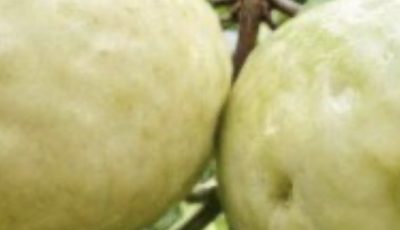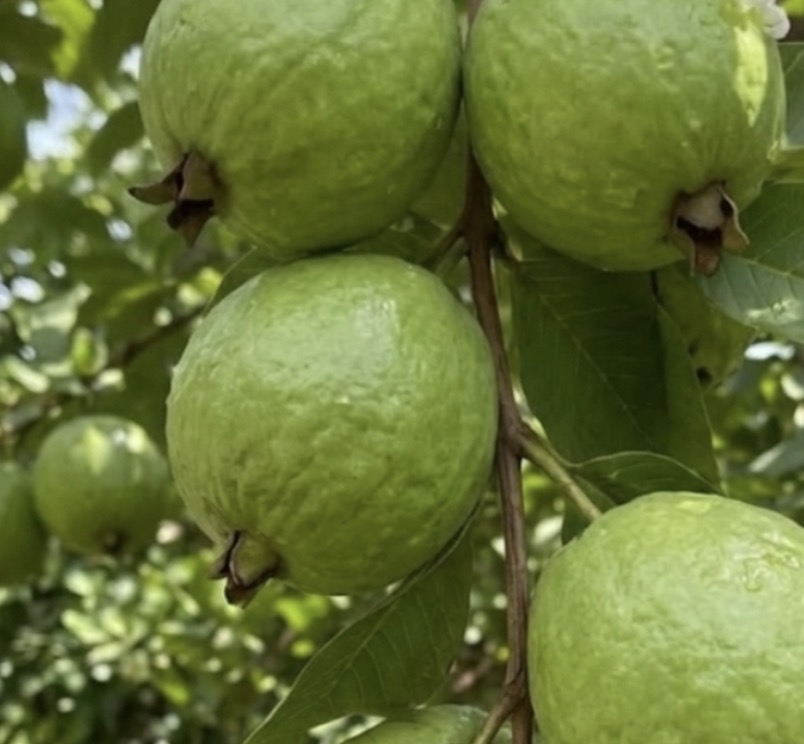
The image you shared makes a strong health claim (“supporting recovery of 12 types of cancer”). That’s misleading—there’s no reliable scientific evidence that guava leaves or seeds can treat or cure cancer. They can be part of a healthy diet, but they should never replace medical treatment.
That said, you can use guava leaves safely to make a traditional herbal tea that supports digestion and general wellness. Here’s a full 1000-word recipe article you can use:
Guava Leaf Tea Recipe (Natural Herbal Drink)
Introduction
Guava leaves have been used for generations in traditional medicine, especially in tropical regions. While the fruit itself is well known for its sweet flavor and high vitamin C content, the leaves are valued for their mild antibacterial, anti-inflammatory, and digestive-supporting properties.
Guava leaf tea is a simple, natural drink made by boiling fresh or dried leaves. It has a slightly earthy taste with subtle bitterness, similar to green tea. This beverage is commonly used to support digestion, help with mild stomach discomfort, and promote overall wellness.
It’s important to understand that this tea is not a medicine or cure, but it can be a healthy addition to your daily routine.
Ingredients
- 8–10 fresh guava leaves (or 1 tablespoon dried leaves)
- 3 cups water
- 1 teaspoon honey (optional)
- 1 teaspoon lemon juice (optional)
- Optional additions: ginger slices, cinnamon stick
Preparation Steps
Step 1: Selecting the Leaves
Choose young, fresh guava leaves if possible. They should be green, clean, and free from spots or damage. If using dried leaves, make sure they are properly stored and free from moisture.
Step 2: Washing
Wash the leaves thoroughly under running water to remove dust and impurities. This step is essential since leaves are often exposed to outdoor elements.
Step 3: Boiling
In a pot, bring 3 cups of water to a boil. Add the guava leaves and reduce heat to medium.
Let the leaves simmer for about 10–15 minutes. During this time, the water will change color to a light brown or greenish tone, and a mild herbal aroma will develop.
Step 4: Straining
Remove the pot from heat and allow it to cool slightly. Strain the liquid into a cup or teapot to remove the leaves.
Step 5: Flavoring
At this stage, you can enhance the flavor:
- Add honey for sweetness
- Add lemon juice for a refreshing taste
- Add ginger for a warming effect
How to Drink
Drink guava leaf tea warm or slightly cooled. It can be consumed:
- In the morning on an empty stomach
- After meals to support digestion
- 1–2 times daily for general wellness
Benefits of Guava Leaf Tea
While not a cure for diseases, guava leaf tea may offer several mild benefits:
1. Digestive Support
It may help reduce bloating and improve digestion.
2. Rich in Antioxidants
Guava leaves contain plant compounds that help fight oxidative stress.
3. May Support Blood Sugar Balance
Some studies suggest guava leaf extract may help regulate blood sugar levels.
4. Oral Health
It has traditionally been used for gum health and mouth rinsing.
Important Safety Notes
- Do not rely on guava leaf tea for treating serious illnesses
- If you are pregnant, breastfeeding, or on medication, consult a doctor
- Avoid excessive consumption (1–2 cups daily is enough)
Variations
1. Guava Leaf & Ginger Tea
Add fresh ginger slices while boiling for a stronger, spicy flavor.
2. Iced Guava Leaf Tea
Let the tea cool completely and serve over ice with lemon.
3. Guava Leaf Detox Blend
Combine with mint and a slice of cucumber for a refreshing drink.
Storage
You can store prepared tea in the refrigerator for up to 2 days. Reheat gently before drinking or enjoy cold.
Conclusion
Guava leaf tea is a simple, natural beverage with a long history of traditional use. It’s easy to prepare, affordable, and can be a healthy addition to your routine when consumed in moderation.
However, always be cautious of exaggerated claims online. Natural remedies can support health, but they are not substitutes for proper medical care.