Maintaining balanced blood sugar levels is an important part of overall well-being—especially for those managing prediabetes or simply aiming for a healthier lifestyle.
While medical care remains essential, many people are exploring gentle, plant-based habits to complement their daily routine. Among these, certain traditional leaves have gained attention for their potential supportive role.
In this article, we’ll explore some commonly used leaves, their traditional benefits, and how to use them safely.
Across different cultures, herbal leaves have been used for generations in simple wellness practices.
Many of these plants contain naturally occurring compounds that may:
Support insulin sensitivity
Help maintain more stable glucose levels
Contribute to metabolic balance
They are most often enjoyed as teas or light infusions—easy to prepare and integrate into everyday life.
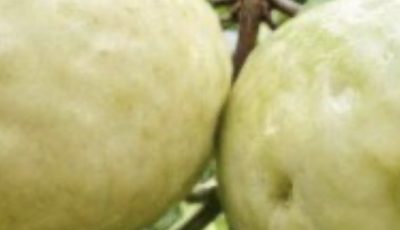
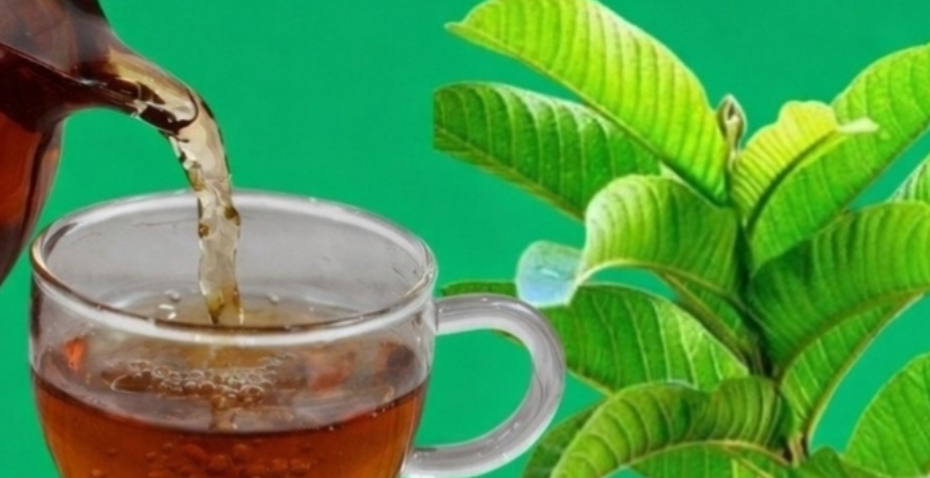
Guava leaves are widely used in traditional practices.
They are often associated with:
Supporting reduced sugar absorption
Helping maintain balanced glucose levels
Sometimes called the “insulin plant” in folk traditions.
It is commonly used to:
Support healthy blood sugar levels
Complement metabolic wellness routines
Mulberry leaves have been studied for their natural compounds.
They may:
Help reduce post-meal glucose spikes
Support overall metabolic function
Used traditionally in several regions.
They are often linked to:
Supporting glucose regulation
Gentle daily wellness support
Beyond their culinary use, bay leaves are also valued in herbal traditions.
They may:
Support glucose metabolism
Aid digestion and overall balance