You never really expect to discover pantry moths in your home — especially if your kitchen is spotless. That’s exactly what happened to me. One evening while making tea, I noticed two tiny moths flying around the kitchen light. At first, I assumed they had simply flown in through an open window. But a few days later, I opened a large bag of rice and found strange webbing tucked deep into the bottom corner. That was the moment I realized I was dealing with a real pantry moth infestation.
What shocked me most was how clean my kitchen already was. I didn’t leave food out, I wiped counters constantly, and there were no crumbs scattered around my cabinets. Yet pantry moths somehow found their way into my home anyway. As it turns out, these pests are incredibly common and often arrive inside packaged foods from grocery stores without anyone noticing.
The good news is that pantry moths are manageable if you act quickly. With the right cleaning methods, food storage solutions, and prevention habits, you can completely eliminate them and protect your pantry long-term. If you’ve noticed small moths flying around your kitchen, this guide may save you from weeks of frustration.
Why You’ll Want to Read This Guide
- Learn how to identify pantry moth infestations early
- Discover the best way to remove pantry moths naturally
- Understand how pantry moths get into sealed food packages
- Get practical pantry organization and food storage tips
- Learn prevention methods that actually work long-term
What Are Pantry Moths?
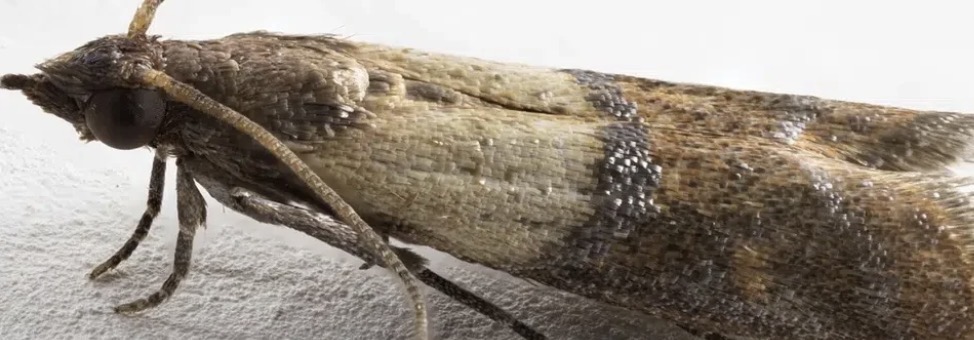
Pantry moths (also known as Indian Meal Moths) are very small household pests that live in your dry foods in your kitchen cabinets and pantries. Typically, these moths attack dry food such as flour, cereal, rice, pasta, nuts, seeds, and pet food.
Adult moths are somewhat annoying, but the true problem is the larvae. Larvae leave behind webs, tiny cocoons, and contaminated food. In my opinion, this is something that most people do not realize until they find themselves in a bad situation. For example, it is possible for a single unopened package to contain a great deal of larvae because the eggs were already inside when you purchased the package.
While pantry moths cannot bite humans, they can contaminate food with larvae or webbing; therefore, it is recommended to discard contaminated food.
Common Signs You Have Pantry Moths
A pantry moth infestation can begin quietly. Here are some common signs that people typically recognize:
- Small moths flying near your kitchen light(s), or in your cabinets.
- Thin webbing within food packages.
- Clumping in flour, grains, or cereal.
- Tiny white larvae crawling within containers.
- Small cocoons in shelf corners or cabinet hinge areas.
- Movement or strange activity within dried food bags.
In my personal experience, I learned the hard way not to dismiss seeing only one moth. Generally speaking, if you see one or two adult moths flying around, there are probably many more present that are hidden somewhere.
Removing All Items From Your Pantry
To completely remove pantry moths from your home, you need to take all items out of your pantry. I mean ALL OF THEM. Boxes, spices, baking supplies, snack foods, pet food – EVERYTHING.
Also check the expiration date on all of your items; however, do not solely depend upon those. Pantry moths do not discriminate based upon how new or old the food is. Also inspect unsealed packages and bags as well since eggs and larvae can exist inside sealed products.
Do yourself a favor and make sure you check all shelves and all corners. Failing to remove an item that has been infested could allow the problem to reappear in several weeks.
Discard Any Food That Has Been Contaminated By Pantry Moths
You need to throw away any food that contains webbing, larvae, eggs, or clumps. Discard those items immediately and seal the items in a garbage bag prior to discarding them in order to prevent eggs from being carried throughout the house via insects crawling out of the discarded items.
Eggs from pantry moths are extremely small and impossible to see, which is why getting rid of contaminated foods can be frustrating. During my infestation I discovered contamination in items I never thought I’d find infested, including a bag of almonds that appeared perfect from the outside.
If you’re unsure about any food item, it’s usually safest to err on the side of caution and discard it.
Clean & Vacuum Everything
After removing everything from your pantry, thoroughly vacuum each shelf. Be particularly diligent about cleaning areas with high concentrations of dust such as corners, cracks, shelf edges, hinges, and any small holes where crumbs tend to accumulate.
Following thorough vacuuming, wash all surfaces with warm soapy water or a mixture of vinegar and water. Do not forget to include container lids and the undersides of shelves.
For additional protection against future larval migration to baseboards surrounding your pantry area, consider vacuuming those areas as well.
Immediately after finishing vacuuming, discard the contents of your vacuum cleaner bag or canister outdoors.
Store Dry Goods In Airtight Containers
Long-term success with eliminating pantry moths came easiest to me by using thick plastic, glass, or metal containers for all dry goods. While thin cardboard boxes and soft plastic packaging are easily accessible to pantry moths, airtight containers significantly limit access.
Dry goods such as flour, rice, oats, cereals, sugar, nuts, and pet food store substantially longer in airtight containers than they do in thin cardboard or soft plastic packaging. Additionally, using airtight containers makes identifying potential problems with future infestations much easier.
Consider Using Pantry Moth Traps
Pheromone traps can reduce adult moth populations and serve as an indicator that you have an active infestation. Pheromone traps work by attracting males; by doing so, they interrupt breeding cycles.
Traps can be beneficial; however, they alone cannot eliminate an existing infestation. If you have contaminated food remaining in your pantry area, then regardless of how many traps you set, the moths will continue to return.
Personally, I view traps more as a detection tool rather than a treatment method.
Is This Pantry Moth Solution Healthy?
Keeping your pantry clean and pest-free is an important part of maintaining a healthy home environment. Pantry moths themselves are not dangerous in the same way as some insects, but contaminated food can become unpleasant and unsanitary to consume.
Using airtight food storage containers, maintaining a clean pantry, and regularly rotating dry goods can support better food safety and kitchen hygiene. Many homeowners also prefer natural cleaning methods like vinegar and warm soapy water instead of relying heavily on chemical sprays.
If you are focused on healthy eating, meal prep, or long-term food storage, preventing pantry moth infestations is essential for protecting your groceries and reducing food waste.
Tips for Best Results
Freeze Dry Goods First
Currently, I freeze dry goods like flour and grains for three days following purchase. Freezing these dry goods effectively kills any eggs present.
Rotate Pantry Foods Regularly
Avoid leaving dry goods untouched for long periods of time. Older products are more likely to become infested unnoticed.
Inspect Packages Before Buying
Always look carefully at packaging for tears, holes, or strange clumping before placing products in your shopping cart.
Store Pet Food Properly
Pet food is one of the most common pantry moth breeding areas. Use sealed containers instead of leaving bags open.
Clean Shelves Frequently
Regular pantry cleaning helps catch infestations early before they spread throughout the kitchen.
Ways To Prevent Pantry Moths From Returning
After experiencing a pantry moth infestation myself, I’ve become far more vigilant about how I store food. Currently, I freeze dry goods like flour and grains for three days following purchase. Freezing these dry goods effectively kills any eggs present.
Additionally, I now attempt to regularly rotate foods in my pantry area to minimize opportunities for food to sit undisturbed for extended periods of time. As well, I clean my pantry shelves every few weeks and ensure that pet food is always stored in sealed containers.
Finally, I now visually inspect all packaged food before placing it in my pantry. Prior to my pantry moth experience, I never gave this much consideration.
Prevention is generally considered to be far more important than anything else related to getting rid of pantry moths.
Call Pest Control When Necessary
If, despite your efforts to eradicate pantry moths, an infestation continues to persist after multiple cleanings, or if the moths begin to migrate from your pantry area into other rooms of your home, it may be necessary to contact a pest control service. In some cases, moths may be trapped in your walls or other inaccessible locations.
Professional pest control companies may help identify hidden infestation areas and recommend targeted treatment solutions for severe cases.
FAQ About Pantry Moths
Are pantry moths harmful to humans?
Pantry moths do not bite humans or spread disease directly, but they can contaminate food with larvae, webbing, and waste.
Can pantry moths get into sealed packages?
Yes. Pantry moth eggs are often already present inside packaged food products before purchase, especially grains and dry goods.
What foods attract pantry moths the most?
Flour, rice, cereal, oats, nuts, seeds, pasta, dried fruit, and pet food are among the most common pantry moth targets.
How long does it take to get rid of pantry moths?
Most infestations can be controlled within a few weeks if all contaminated food is removed and the pantry is thoroughly cleaned.
Do pantry moth traps really work?
Yes, pheromone traps can reduce adult moth populations and help monitor infestations, but they are not enough to eliminate pantry moths on their own.
You May Also Like
- Best Pantry Organization Ideas for Small Kitchens
- How to Store Rice and Flour Long-Term
- Easy Natural Cleaning Hacks for Your Kitchen
- Signs You May Have Hidden Kitchen Pests
- Healthy Meal Prep Storage Tips
- Simple Ways to Reduce Food Waste at Home
Final Thoughts
Pantry moths can feel overwhelming at first, especially when they appear in a clean and organized kitchen. But the most important thing to remember is that you are not alone — these pests are extremely common and often arrive unnoticed inside packaged foods.
With patience, deep cleaning, airtight storage, and consistent prevention habits, you can completely reclaim your pantry and stop future infestations before they begin. Sometimes the smallest kitchen pests teach us the biggest lessons about food storage, organization, and home maintenance.