Most men expect a few obvious signs of aging.
Gray hair.
A slower metabolism.
More aches after a long day.
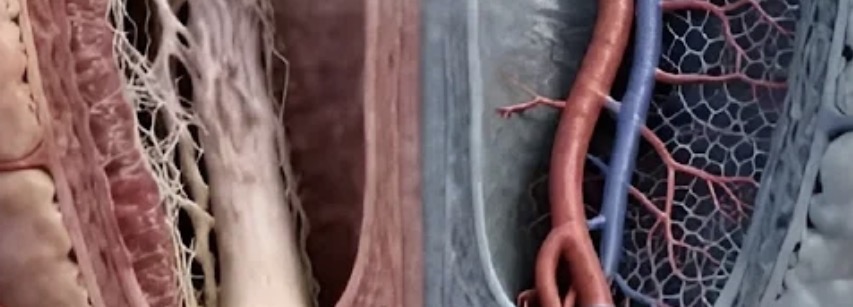
But many of the most important age-related changes happen quietly beneath the surface — especially inside the male body’s circulatory, hormonal, and reproductive systems.
And because these changes often happen gradually over years, many men don’t fully notice them until they begin affecting energy, physical performance, confidence, or overall well-being.
The truth is, aging isn’t simply about appearance.
It’s about how the body slowly adapts over time.
The Hidden Role of Blood Circulation
One of the biggest internal shifts that happens with age involves blood flow.
Healthy circulation is essential because blood carries:
- Oxygen
- Nutrients
- Hormones
- Immune support
to tissues throughout the body.
As men grow older, circulation naturally becomes less efficient. Blood vessels may lose some flexibility, and blood flow can slow slightly over time.
This doesn’t happen overnight.
Instead, it develops gradually — often so subtly that men barely notice the changes at first.
But reduced circulation can influence:
- Physical responsiveness
- Recovery
- Tissue health
- Sensitivity
- Energy levels
In many ways, cardiovascular health and overall male vitality are deeply connected.
Tissue Elasticity Changes With Age
Another major factor is tissue elasticity.
When the body is younger, tissues tend to be:
- Firmer
- More flexible
- Better hydrated
- More resilient
Over time, however, collagen and elastin production naturally decrease. This affects many areas of the body internally and externally.
As tissues lose elasticity, they may become:
- Less flexible
- Slightly thinner
- More prone to reduced responsiveness
Again, these changes are completely normal and happen to nearly everyone with age.
Slower Nerve Signaling and Sensation
The nervous system also changes gradually over time.
Nerves help control:
- Sensation
- Reflexes
- Muscle coordination
- Physical response
As men age, nerve communication can become slightly slower. This may contribute to subtle differences in:
- Sensitivity
- Reaction speed
- Physical awareness
Most of these changes are mild and happen naturally as part of the aging process.
Testosterone: The Hormone Many Men Overlook
One of the most discussed aspects of male aging is testosterone decline.
Testosterone plays an important role in:
- Muscle maintenance
- Energy levels
- Bone strength
- Mood
- Libido
- Tissue health
Beginning around middle age, testosterone levels often decline gradually year by year.
This process is sometimes referred to as age-related testosterone decline.
Symptoms may include:
- Lower energy
- Reduced stamina
- Mood changes
- Decreased muscle mass
- Lower motivation
However, testosterone changes vary significantly from person to person. Some men experience noticeable effects, while others remain highly active and healthy well into later life.
Lifestyle Plays a Bigger Role Than Most People Realize
Here’s the encouraging part:
aging is influenced not only by genetics, but also by daily habits.
Research consistently shows that men who prioritize overall health often experience slower physical decline and better long-term quality of life.
Healthy habits that support aging include:
Regular Physical Activity
Exercise helps support:
- Blood circulation
- Heart health
- Hormone balance
- Muscle preservation
Even moderate activity like walking can make a major difference.
Balanced Nutrition
A healthy diet rich in:
- Lean protein
- Vegetables
- Healthy fats
- Fiber
- Whole foods
supports cardiovascular and metabolic health.
Sleep and Stress Management
Poor sleep and chronic stress may negatively affect:
- Hormones
- Recovery
- Energy
- Immune function
Quality rest becomes increasingly important with age.
Avoiding Smoking
Smoking damages blood vessels and significantly accelerates many age-related changes throughout the body.
Aging Doesn’t Mean Losing Vitality
One of the biggest misconceptions about aging is that decline is inevitable and uncontrollable.
In reality, many men remain:
- Strong
- Active
- Mentally sharp
- Physically capable
well into older adulthood.
Aging is less about “losing masculinity” and more about understanding how the body evolves over time.
Awareness helps replace fear with informed action.
When Should Men Talk to a Doctor?
While gradual aging is normal, certain symptoms should not be ignored.
Men should consider speaking with a healthcare professional if they experience:
- Sudden changes in physical function
- Persistent fatigue
- Major hormonal symptoms
- Significant circulation problems
- Unexplained pain or numbness
Regular medical checkups become increasingly important with age because many conditions are easier to manage when caught early.
Final Thoughts
The male body changes naturally over time — internally as much as externally.
Blood circulation shifts.
Hormones fluctuate.
Tissues adapt.
Recovery slows.
None of this is a personal failure.
It’s biology.
But lifestyle choices can strongly influence how well the body ages.
Staying active, protecting heart health, eating well, sleeping properly, and managing stress can all help support long-term vitality and overall wellness.
Aging isn’t about becoming weaker.
It’s about understanding your body well enough to take better care of it through every stage of life.