Did you know that chia seeds contain more omega-3s per gram than salmon, deliver more calcium than milk in the same serving size, and provide 11 grams of fiber in just two tablespoons—yet millions of Americans still struggle with low energy, blood sugar swings, poor digestion, and constant hunger despite “healthy” diets?
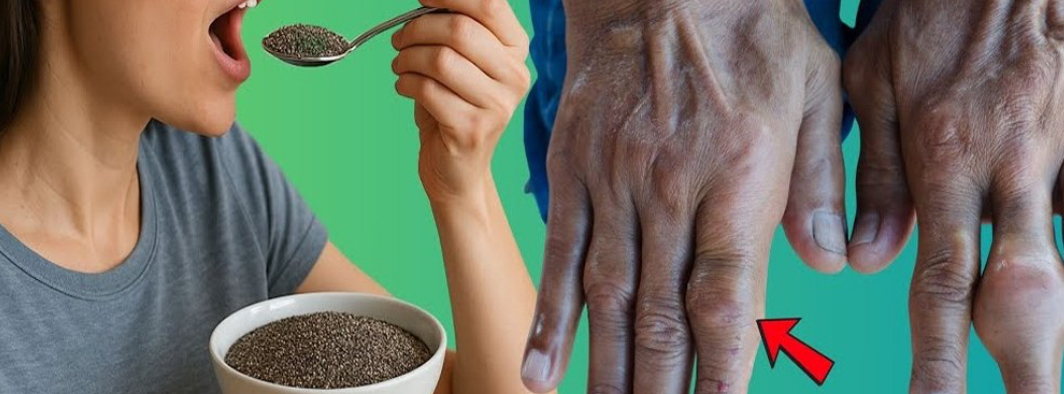
Imagine this: You stir a spoonful of tiny black seeds into your morning water. Within minutes they swell into a thick, gel-like pudding that feels surprisingly satisfying on your tongue—cool, slightly nutty, and oddly filling. Hours later, instead of crashing, your energy holds steady, cravings stay quiet, and your mind feels sharper. That tiny ritual could be quietly transforming how your body handles fuel all day.
Quick self-check right now: On a scale of 1–10, how often do you feel mid-morning fatigue, afternoon sugar cravings, bloating after meals, or brain fog that makes focusing difficult? Write that number down. Hold it. By the end of this deep dive—backed by clinical studies, meta-analyses, and real-life transformations—that score might inspire one small, powerful habit change.
I’ve reviewed the latest evidence from PubMed, NIH, Cochrane reviews, and nutrition journals (up to 2025 data) to separate hype from reality. Chia seeds (Salvia hispanica) earn their “superfood” label legitimately, but they’re not magic. They shine brightest as a consistent, supportive addition to an already balanced lifestyle—not a standalone fix.
What if a food this simple, affordable, and shelf-stable could help stabilize energy, improve digestion, support heart health, and even protect your bones over time? Stick with me through the full journey: history, science, benefits, best ways to consume, common mistakes, who should be cautious, and optimal timing. You’re already ahead of most readers who skim headlines—let’s make sure you finish with life-changing clarity.
The Ancient “Strength” Seed Making a Modern Comeback
Chia originates from central Mexico and Guatemala, where Aztec and Mayan warriors relied on it for sustained energy during long marches and battles—“chia” literally means “strength” in ancient Mayan. For centuries it was a staple alongside corn and beans.
Fast-forward to today: global consumption has exploded, yet many treat it like a trend rather than a nutrient-dense whole food. Frustrating, right? You add chia hoping for miracles, only to feel no difference—or worse, digestive upset. That happens when people skip soaking, overdo portions, or ignore hydration.
The real power emerges from consistency and proper use. You’ve invested the opening minutes—the science-backed payoffs are just beginning.

What Actually Happens in Your Body When You Eat Chia Seeds
When dry chia meets liquid (water, stomach fluids, yogurt), each seed absorbs up to 12 times its weight, forming a viscous gel. This gel slows carbohydrate digestion, creating a gradual glucose release instead of sharp spikes and crashes.
Meanwhile:
- Soluble fiber feeds beneficial gut bacteria (prebiotic effect)
- Omega-3 ALA converts (modestly) to anti-inflammatory EPA/DHA
- Antioxidants (chlorogenic acid, quercetin) combat oxidative stress
- Minerals support cellular energy and bone density
People who consume 15–30 g daily often report sustained energy, fewer cravings, smoother digestion, better focus, and improved mood within weeks. Sound too good? It’s not universal—but the mechanisms are well-documented.
Rate your current energy stability 1–10. If it dips midday, this gel-forming property targets exactly that issue.
But let’s look at the numbers that make chia stand out.
Nutritional Breakdown – Why 2 Tablespoons Packs Such a Punch
In ~28 g (2 tbsp):
- Fiber: 11 g (40%+ DV) — mostly soluble
- Protein: 4–5 g — complete plant protein
- Omega-3 ALA: ~5 g — highest plant source
- Calcium: 18% DV — more bioavailable than many dairy sources
- Magnesium: 30% DV — key for energy & muscle function
- Phosphorus, zinc, potassium, manganese — bone & metabolic support
- Antioxidants — protect cells from daily damage
- Calories: ~137 — nutrient-dense, not empty
Low glycemic load + high satiety = powerful tool for stable blood sugar and appetite control.
You’ve reached the foundation. Now the benefits that matter most.

Benefit #6: Stabilizes Blood Sugar & Prevents Energy Crashes
The gel matrix delays carb absorption, flattening post-meal glucose curves. Meta-analyses show chia reduces fasting glucose and insulin resistance markers in type 2 diabetes and metabolic syndrome.
Story of change: Maria, 47, office administrator in Texas with prediabetes, added 1 tbsp soaked chia to breakfast smoothies. Within 4 weeks, afternoon crashes vanished; 3-month labs showed improved HbA1c. Her endocrinologist called it “smart adjunct.”
Concern level for sugar swings 1–10? If high, this benefit alone could shift your day.
Sugar stability leads to appetite control—next up.
Benefit #5: Powerful Satiety – Helps Curb Overeating Naturally
Fiber + gel expansion triggers fullness hormones (GLP-1, PYY). Trials show chia before meals reduces subsequent calorie intake by 10–15%.
Transformation tale: James, 52, sales manager in Florida, battled constant snacking. 2 tbsp chia pudding mid-morning cut cravings dramatically. Over 8 weeks, he lost 9 lbs without forcing restriction—energy steadier.
Self-check: How often do you raid the pantry between meals? If frequent, satiety could be game-changing.
Appetite control pairs with digestion support.
Benefit #4: Regulates Digestion & Feeds Your Gut Microbiome
Soluble fiber bulks stool, prevents constipation; prebiotic action nourishes beneficial bacteria. Studies link regular chia to improved bowel regularity and microbiome diversity.
Real shift: Elena, 39, mom in California with IBS-like symptoms, soaked 1 tbsp nightly. Within 2 weeks, bloating eased; regularity normalized. Her gastroenterologist approved—gut felt calmer.
Rate digestion comfort 1–10. If below 7, chia’s fiber shines here.

Gut health supports heart protection—keep reading.