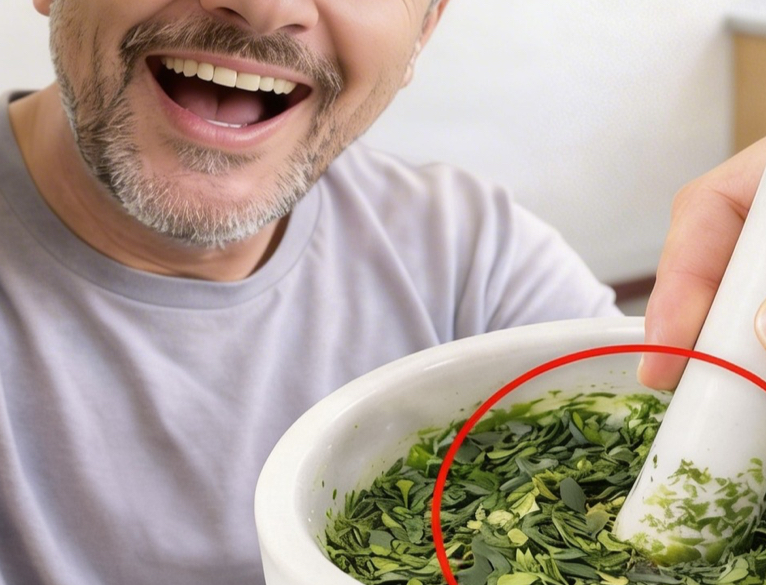
Feeling constantly tired, dealing with everyday inflammation, or just searching for natural ways to support your overall wellness can be exhausting. Many people turn to viral social media tips promising quick fixes from everyday plants, only to feel disappointed when results don’t match the hype. Graviola leaves—often called soursop leaves—have sparked huge online buzz lately as “the powerful leaf” that supposedly offers impressive support for health. But is there real substance behind the excitement, or is it mostly exaggeration?
Research and traditional use suggest graviola leaves contain compounds that may provide gentle, everyday wellness benefits when used thoughtfully. Stick around, because toward the end, I’ll share practical ways to incorporate them safely—plus what the evidence truly supports.
What Is This “Powerful Leaf” Everyone’s Discussing?
Graviola, also known as soursop or Annona muricata, is a tropical tree native to parts of the Americas. Its fruit is popular for its creamy, tangy taste in smoothies and desserts. But the leaves are what have people buzzing online.
Traditionally, communities in tropical regions have brewed graviola leaves into teas for general comfort and vitality. Recent viral posts highlight the leaves as a natural powerhouse, often linking them to antioxidant support and immune wellness. However, the most extreme claims—like “destroying” serious conditions—lack backing from human studies and are not endorsed by health authorities.
But that’s not the full story. Lab research has identified unique compounds in the leaves called acetogenins, which show interesting activity in controlled settings. These findings fuel curiosity, yet experts emphasize that test-tube results don’t automatically translate to real-world human benefits.